
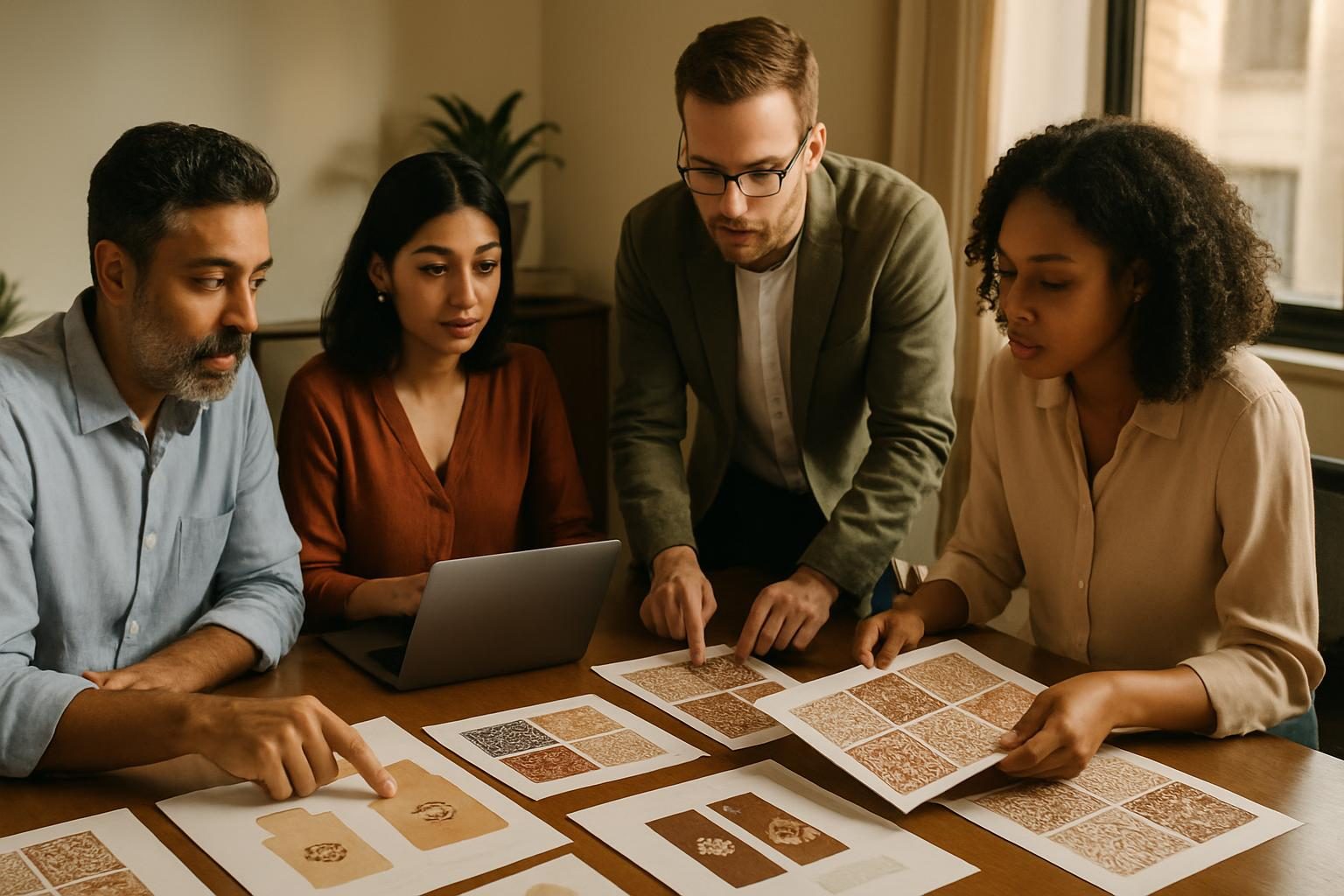
Expanding into the Gulf often means more than changing markets — it often needs a fresh approach to your brand. This guide on rebranding for Gulf covers cultural considerations, visual tips and practical steps so your name, logo and messaging connect respectfully and effectively.
Understand why rebranding for Gulf matters
The Gulf region (GCC countries) has strong cultural, linguistic and regulatory differences compared with Indian domestic markets. A rebrand that ignores religion, language direction, colour meanings or local business norms can feel inauthentic, or worse, cause offence. Thoughtful changes build trust, improve recognition and support smoother market entry.
Research cultural and linguistic basics first
Start with basic research: language preferences (Arabic is dominant, English widely used in business), script direction (right-to-left), local taboos, and the role of faith and family in messaging. Avoid assumptions — preferences vary between cities and customer segments. Use local focus groups or consult with native speakers to validate ideas before finalising them.
Naming and trademark considerations
- Local pronunciation and meaning: Test your business and product names in Arabic and English. A name that sounds fine in one language may be awkward or have unintended meanings in another.
- Transliteration vs translated names: Decide whether to keep an international name with Arabic script next to it, or adopt a translated/localised name. Both approaches work; the choice depends on your brand strategy.
- Trademark and domain checks: Check trademark availability and domain names in target Gulf countries early. Legal restrictions and registration timelines differ across the region.
Visual identity: colours, typography and imagery
Visuals carry cultural associations. When updating your visual identity as part of rebranding for Gulf, consider these practical tips:
- Colours: Colours can have religious or cultural connotations. For example, green is often associated with Islam and is widely accepted; red can be powerful but is sometimes seen as aggressive. Choose palettes that suit your message and test them locally.
- Typography: Arabic requires different type considerations. If you use bilingual logos or materials, ensure your Arabic typography is professionally set — proportional spacing and calligraphic nuances matter.
- Logos and marks: Complex logos may not reproduce well in right-to-left layouts or on certain packaging. Create simplified or alternate logo versions for Arabic contexts and small sizes.
- Imagery: Use images that respect local dress codes and cultural norms. Choose inclusive photos that represent the local audience and reflect local workplaces and family contexts.
Messaging and tone: respectful localisation
Localisation is more than translation. For rebranding for Gulf, adapt tone, calls-to-action and examples so they feel natural to the audience.
- Professional tone: Business-to-business and many consumer categories often prefer a respectful, formal tone. However, tone can vary by sector — luxury brands may use aspirational language, while FMCG can be warmer and more direct.
- Arabic copywriting: Use native Arabic copywriters when possible. Literal translations from English can sound unnatural or lose persuasive power.
- Local proofs: Use customer testimonials, certifications or local partners where available — social proof from the region builds credibility.
Digital design: websites, UX and right-to-left support
A digital-first approach is vital. Websites, emails and apps must support right-to-left (RTL) layouts and mobile-first behaviour common in the Gulf.
- RTL-ready web design: Ensure your CMS and templates can switch direction without breaking layouts. Test both Arabic and English versions for alignment, navigation mirroring and responsive behaviour.
- Payment, checkout and localisation: Offer payment options and address formats common in the region. For e-commerce, ensure currency, tax and shipping information is clear. (See also our article on choosing payment gateways for India-to-Gulf sales for practical pointers: /Blog/payment-gateway-india-gulf.)
- SEO and local search: Localise meta tags, structured data and Google Business Profiles where applicable. Arabic keywords and localised search intent should guide your content plan.
Brand architecture and market positioning
Decide how the Gulf brand relates to your existing brand. Options include:
- Unified global brand: One visual system with localised touchpoints (language, imagery).
- Sub-brand: A Gulf-focused sub-brand under your main brand for specific product lines or services.
- Independent local brand: A separate brand identity for markets where cultural differences require a distinct approach.
Choose the model that matches your long-term strategy, resources and legal considerations.
Practical rollout checklist
- Conduct local research and legal checks (names, trademarks).
- Create bilingual brand guidelines covering logos, colours and tone.
- Develop RTL-ready digital templates and test on common devices.
- Localise marketing assets: ads, landing pages, packaging and customer support scripts.
- Train staff and partners on cultural do’s and don’ts.
- Monitor feedback closely and iterate — early user input is invaluable.
Work with local experts and trustworthy partners
Partnering with local designers, translators and legal advisors reduces risk and speeds up launch. If you need end-to-end support for design, websites, e-commerce or mobile apps during your rebrand, our services cover these areas and can help execute a Gulf-ready rollout: /services.php, /services.php#web-design and /services.php#ecommerce.
Rebranding for Gulf is a strategic move that pays off when done respectfully and practically. If you’d like help with a logo refresh, bilingual website or full brand rollout, contact us for a free quote — we reply within 24 hours: /contact.php#quote.

0 Comments